

Part 1: Basic Graphic Design Principles and Getting Clear on Your Goals and Preferences
Graphic design, like all visual art, is subjective. It should also be accessible to everyone. You don’t need to be a painter to enjoy or “get” a painting at a museum, and you don’t need a graphic design background to have a vision for your publication or to properly communicate it to your Innovative designer.
In this article, we’ll explore design fundamentals that will help you guide the direction of your publication’s visual identity, whether you’re working with us for the first time or rebranding an existing publication.
And as always, our team is happy to help, so reach out to your editorial project coordinator and graphic designer with your questions, ideas and feedback.
What Is Your “Why,” and for Whom?
Who is your audience? Who are your members and partners? What would you like them to think, feel or do after reading your publication? These are the first things to think about when it comes to both content and design.
Consider the demographics of your membership and the type of documentation they’re used to interacting with. Trade professionals, doctors and anyone in the sciences may be drawn to content that illustrates dense data, so how that data is presented visually should be front of mind when you’re thinking of design. Older readers may appreciate high contrast visuals and larger text, both in print and digital formats. More artistic professions may enjoy avant garde and bold designs, with more experimentation in feature articles.
Think about the typical person who will pick up your magazine, and cater to their preferences. Then, think of how you want that person to engage with the content. If you want them to get involved in a committee, how can your design draw attention to that action item in a way they can’t ignore? If you want to evoke industry pride, how can your visuals feel celebratory and exciting? Keep your mission at the forefront of everything you do, and let it guide the direction.
Basic Design Principles
Once you’ve thought about your audience and your goals, it’s helpful to know some basic design principles. This will help you feel even more confident communicating your ideas with your graphic designer.
Typography
Text is the most prevalent part of your publication, so picking the right fonts is crucial. You want your typography to be clean and legible, and to match your association’s vibe. A parks and recreation publication will suit playful typography more so than an architecture or legal publication, which typically befit more formal fonts.
Color
Your association’s existing branding is the best starting point for thinking about color. How much do you want to branch out from that palette in your departments and feature articles? Do you have specific colors you enjoy, or ones to avoid? Do you prefer bold accent colors, or more muted ones?
Balance
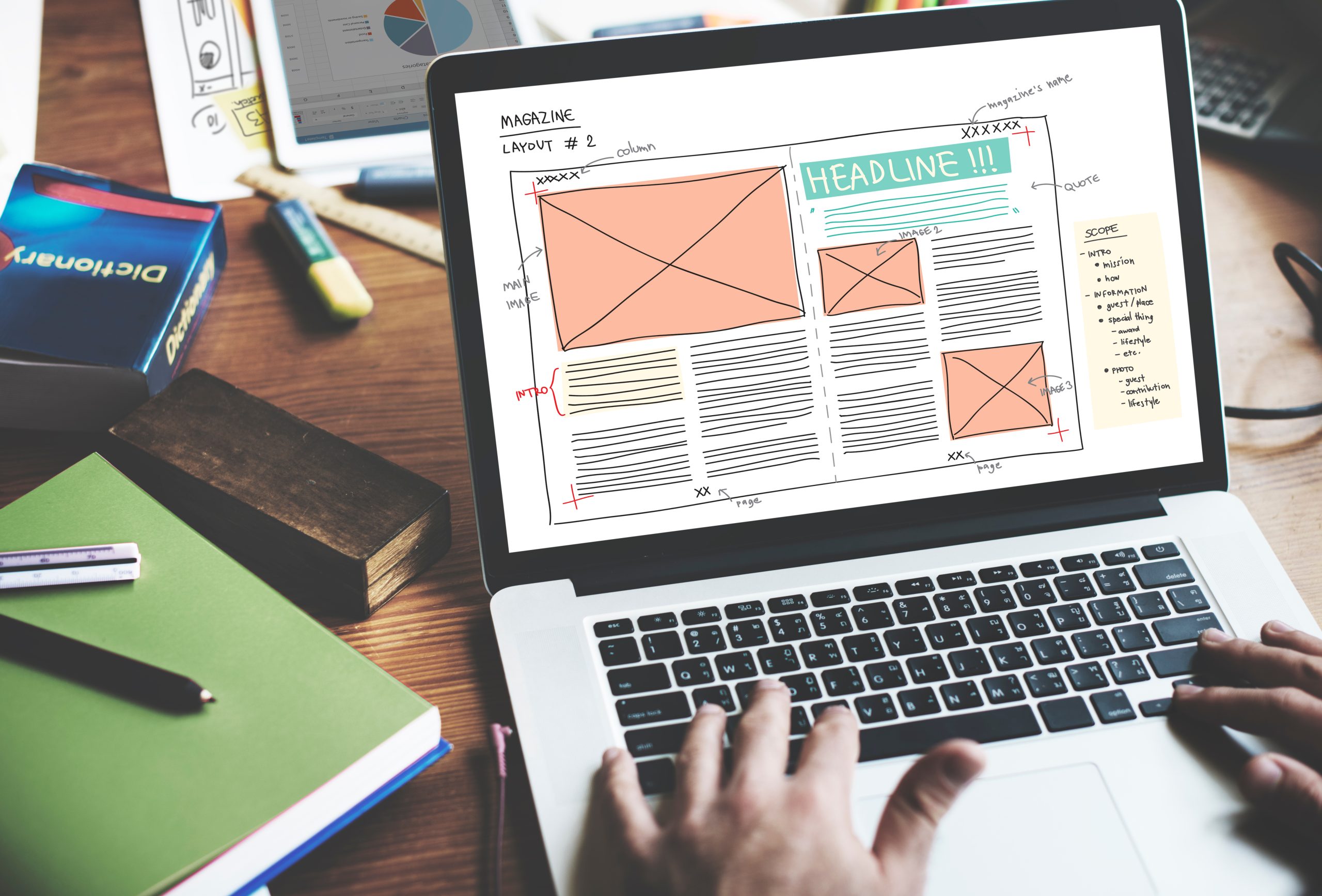
How do you want shapes, photos and text distributed in your magazine? Do you prefer heavier elements like info boxes to be spread out through an article, or condensed to one section or side of the page? How big is too big for photos — would a full-page photo lead-in work for a feature, or should most elements be scaled down?
Hierarchy
How do you want to signpost the importance of information to your readers? If readers were to just skim your publication, what do you want to make sure they don’t miss? Your designer can help you determine the best way to highlight important content.
Space
Sometimes less is more. You don’t have to use every available inch of space on a page. In fact, a balance of white space can make information easier to understand, reduce visual overwhelm, and allow content and photos the space they need to breathe. But too much white space, or white space trapped between elements or in the middle of a page, can be off-putting and make your content seem sparse. Your Innovative team can help you strike the right balance.
Finding Inspiration
Now comes the fun part: gathering inspiration. Looking at other publications in your industry is a good start, but it doesn’t have to box you in.
Search for inspiration broadly. We can share samples of publications we’ve designed in other industries that might have aesthetics that will work for you.
Go to your local bookstore and grab some commercial magazines. We recommend getting a mix of topics and styles. You might just see a pull quote style in a teen fashion magazine or a headline treatment in a woodworking magazine that you want to use as a reference.
Look at the packaging of products you always buy and at the thumbnails on YouTube that make you stop scrolling. Figure out what draws you to certain elements and make a note of them. If you see something that you really dislike, can you describe what you don’t like about it?
Once you’ve gathered inspiration, you can start the process of narrowing down preferences, which we’ll cover in the next post. We’ll also talk about creating a design brief that can guide our team on your vision, and we’ll look at some design trends you might want to pop on your mood board.
Remember that this process can and should be fun and easy. If at any point it feels overwhelming or you just want to bounce ideas off someone, your Innovative team is always here to help.
Liz Herrera Lauer is Creative Director at Innovative Publishing. She can be reached at liz@innovativepublishing.com.
Dive deeper
https://www.figma.com/resource-library/what-is-graphic-design
https://www.lcca.ac.uk/blog/careers/7-basic-principles-of-graphic-design/
Comments are closed.